Maximizing Your Gym Health: A Holistic Approach to Fitness
Getting into the gym is only one aspect of maintaining your fitness. Whether your goal is to increase muscle mass, reduce body fat, or enhance your general health, you must take a comprehensive approach that involves more than just using a treadmill or lifting weights. Three essential pillars must be prioritized if you want to get the most out of the gym and experience long-term benefits: training, diet, and recovery. Here's how to balance all three to optimize your health at the gym.
1. Exercise Wisely, Not Just Hardly

- While consistency and intensity in the gym are essential for growth, smart training is just as vital. A common mistake made by gym-goers is to perform the same exercises, sets, and repetitions every week, which can result in burnout and plateaus. Here's how to increase the effectiveness of your workouts:
- Progressive Overload: Raise the weight, reps, or intensity progressively to keep your muscles challenged. The development of muscle and increased endurance are dependent on this idea.
- Include Compound Exercises: You get more value for your money when you perform exercises that work multiple muscular groups simultaneously, such as squats, deadlifts, bench presses, and pull-ups.
- Pay Attention to Form and Technique: Bad form can cause injuries and impede your progress. If need, begin with lesser weights and concentrate on being proficient in each exercise before putting on more weight.
- Periodize Your Training: To help your body heal and prevent stagnation, alternate between weeks of high- and low-intensity training.
2. Give Your Body the Right Fuel

- The adage "You can't out-train a bad diet" is probably familiar to you, and it holds true. The key to reaching your fitness objectives is healthy eating, regardless of how hard you train. Here's how to tailor your diet to the health of your gym:
- Protein for Muscle Growth and Repair: For muscles to grow and heal, protein is necessary. Make sure your diet include high-quality protein sources such as eggs, tofu, lean meats, and lentils. Depending on your objectives, aim for 0.8–1 grams of protein per pound of body weight.
- Carbs for Energy: After an exercise, carbohydrates help replace glycogen stores and power your exercises. For long-lasting energy, choose complex carbohydrates like sweet potatoes, oats, and whole grains.
- Good Fats for Hormonal Balance: Hormone production and general health depend on good fats. Nuts, peanuts, avocados, and fatty fish like salmon are also excellent options.
- Remain Hydrated: Muscle cramps, weariness, and diminished performance can result from dehydration. If you participate in endurance training or high-intensity workouts, think about consuming electrolyte-rich drinks in addition to lots of water throughout the day.
- Nutrition Before and After Exercise: Eating the correct nutrients can improve your performance and speed up your recuperation. A balanced meal with protein and carbohydrates, such as a bowl of quinoa and chicken or a banana with peanut butter, should be your goal before doing out. Refuel with a protein-rich snack after your workout, such as Greek yogurt with berries or a shake.
3. Make Recovery Your Top Priority
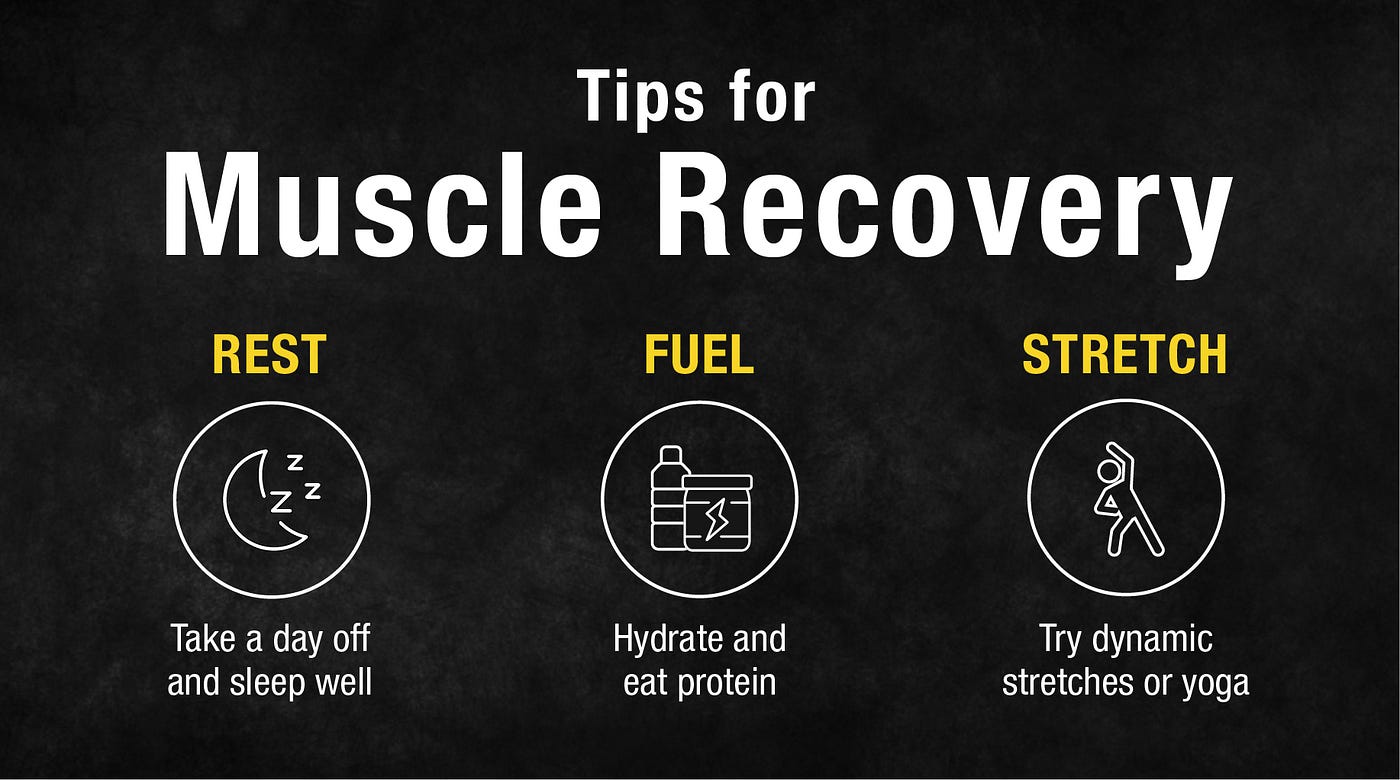
- Although they are just as vital as your exercises, rest and recuperation are sometimes disregarded. Rest is when your muscles grow and repair, not in the gym. Make sure you're giving your body the time it needs to heal in order to avoid burnout and injuries:
- Get Enough Sleep: Both general health and muscular repair depend on sleep. Try to get between 7 and 9 hours each night. Getting enough sleep helps you perform better during exercises, heal muscles more effectively, and control chemicals like cortisol, which can impact stress levels and fat accumulation.
- Stretch and Mobilize: Including stretches that increase flexibility, like yoga or dynamic stretching, in your regimen will help you avoid injuries and increase your range of motion. Mobility exercises and foam rolling can also help loosen up tense muscles and speed up healing.
- Active Recovery Days: Make the most of your downtime by engaging in low-impact sports like swimming, light cycling, or strolling. This increases blood flow and facilitates healing without straining your muscles excessively.
- Take Days Off. Sincerely: Although it can be tempting to push past discomfort and exhaustion, overtraining can cause injuries and impede your growth. To ensure a full recovery, pay attention to your body's needs and take rest days as needed.
4. Consistency and Mental Health

- Gym-related goals must be achieved consistently, but maintaining a program requires a lot of drive and self-control. Since mental and physical health are frequently linked, it's critical to keep a good mindset and prevent burnout:
- Establish Achievable Milestones: Whether your goal is to lose weight or increase your endurance, defining realistic milestones can help you stay motivated and concentrated.
- Track Your Progress: You can feel quite accomplished if you keep a notebook or use an app to record your food, exercise, and advancement. Enjoy your little victories along the road!
- Discover Your "Why": What motivates you to exercise? Is it to feel stronger, develop confidence, or get better health? Finding your own motivations will keep you committed, even when it starts to wane.
- Savor the Process: Achieving fitness should not be a temporary solution, but a lifelong endeavor. Discover exercises you enjoy doing, vary up your routine, and keep in mind that the gym serves as a location for more than just working out—it's also a place for self-care and mental renewal.
In summary
It takes more than just logging long hours on the treadmill or lifting weights to optimize your health at the gym. It all comes down to adopting a well-rounded strategy that incorporates strategic training, wholesome diet, sufficient rest, and a positive outlook. In addition to achieving your fitness objectives, you'll develop enduring habits that support your long-term health and wellbeing by taking care of all of these areas.
Fitness is ultimately a marathon, not a sprint, so make an investment in a program that will sustain your long-term energy, motivation, and injury-free status.


Comments
Post a Comment