Essential Muscle Growth Supplements Backed by Science
When it comes to building muscle, proper nutrition, consistent training, and recovery are the core foundations. However, supplements can provide an extra boost, helping you reach your goals faster. The key is choosing supplements that have been scientifically proven to be effective. In this blog, we'll explore some of the most essential supplements for muscle growth, each supported by solid scientific research.
1. Protein Powder (Whey, Casein, or Plant-Based)

Why It’s Important: Protein is the building block of muscle. Whether you’re looking to bulk up or improve recovery, consuming enough protein is crucial. While whole food sources are ideal, protein supplements provide a convenient way to meet your daily protein needs, especially for those with a busy lifestyle or increased requirements due to intense training.
Scientific Research:
- A 2018 study published in Nutrients found that whey protein enhances muscle protein synthesis (MPS) post-workout, leading to increased muscle growth over time. Whey is rapidly digested and rich in branched-chain amino acids (BCAAs), especially leucine, which is critical for triggering MPS.
- Casein, a slower-digesting protein, can be beneficial for nighttime muscle recovery. A study in Medicine and Science in Sports and Exercise showed that consuming casein before bed improved muscle recovery and growth.
- Plant-based proteins like pea and soy can also be effective. Research in the Journal of the International Society of Sports Nutrition shows that pea protein promotes muscle thickness similar to whey protein when consumed after resistance training.
Recommended Use:
- Consume 20-40 grams of protein powder post-workout or when you need a quick protein source throughout the day.
2. Creatine Monohydrate
Why It’s Important: Creatine is one of the most well-researched and effective supplements for muscle growth. It increases phosphocreatine stores in muscles, allowing for more energy during high-intensity exercises like lifting weights or sprinting. This helps increase strength, power, and lean body mass over time.
Scientific Research:
- A 2021 review in the Journal of Strength and Conditioning Research highlighted creatine's effectiveness in enhancing muscle mass, particularly when paired with resistance training.
- A meta-analysis from The American Journal of Clinical Nutrition confirmed that creatine supplementation significantly increases lean body mass and improves muscular performance, making it a staple for athletes and bodybuilders alike.
Recommended Use:
- 5 grams of creatine monohydrate daily, either post-workout or at any time of the day. No need to cycle.
3. Branched-Chain Amino Acids (BCAAs)
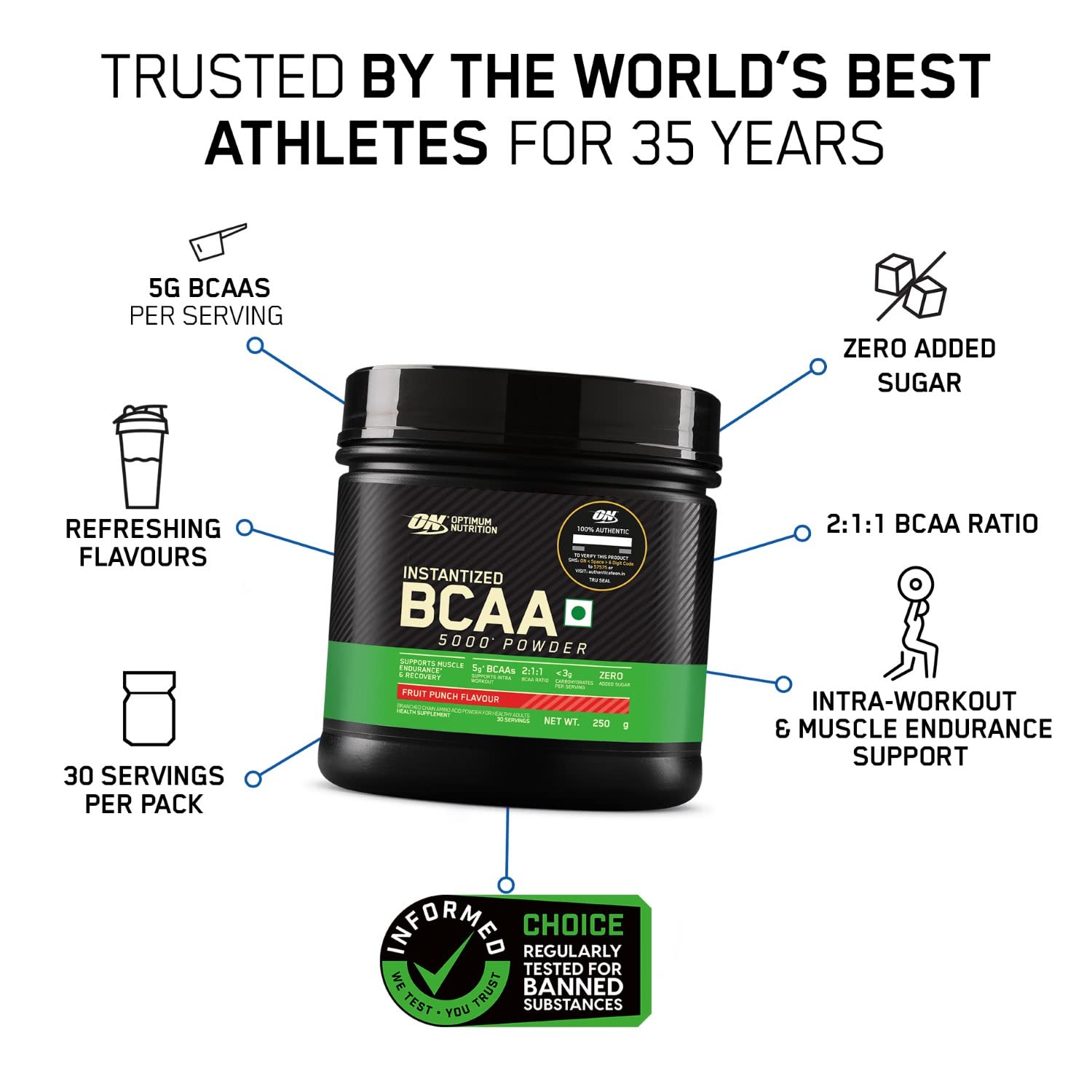
Why They’re Important: BCAAs consist of three essential amino acids: leucine, isoleucine, and valine. Leucine is the most critical of the three for muscle growth, as it directly stimulates muscle protein synthesis. BCAAs can help with muscle repair, reduce muscle soreness, and improve workout performance, especially during prolonged or fasted training sessions.
Scientific Research:
- A study published in the Journal of the International Society of Sports Nutrition found that BCAA supplementation before and after exercise reduces muscle damage and accelerates recovery.
- Research from Applied Physiology, Nutrition, and Metabolism showed that BCAAs can help prevent muscle protein breakdown during resistance training, which helps preserve lean muscle mass, especially when in a caloric deficit.
Recommended Use:
- Take 5-10 grams of BCAAs before or during workouts, particularly if you’re training in a fasted state or have longer training sessions.
4. Beta-Alanine

Why It’s Important: Beta-alanine is a non-essential amino acid that helps buffer lactic acid in muscles, delaying fatigue during high-intensity exercise. This can allow you to perform more repetitions, leading to greater muscle gains over time.
Scientific Research:
- A study published in Amino Acids demonstrated that beta-alanine increases muscle carnosine levels, which helps delay fatigue and improves exercise performance.
- Another study in the Journal of Strength and Conditioning Research found that athletes who supplemented with beta-alanine experienced significant improvements in muscle endurance and overall power output during resistance training.
Recommended Use:
- Take 2-5 grams of beta-alanine daily. You may experience a harmless tingling sensation (paresthesia), which can be reduced by splitting doses.
5. L-Citrulline

Why It’s Important: L-citrulline is an amino acid that boosts nitric oxide production, improving blood flow to muscles. This increased blood flow delivers more oxygen and nutrients to working muscles, enhancing endurance, reducing fatigue, and potentially increasing muscle pumps during workouts.
Scientific Research:
- A study in The Journal of Strength and Conditioning Research found that citrulline malate supplementation improved exercise performance and reduced muscle soreness after weight training.
- Research in The European Journal of Applied Physiology showed that citrulline malate significantly improves muscular endurance, allowing athletes to perform more reps at a given weight.
Recommended Use:
- Take 6-8 grams of L-citrulline malate 30-60 minutes before your workout for best results.
6. Fish Oil (Omega-3 Fatty Acids)

Why It’s Important: Omega-3 fatty acids, particularly EPA and DHA found in fish oil, have anti-inflammatory properties that can help reduce muscle soreness and promote recovery. Omega-3s can also improve muscle protein synthesis and overall muscle health.
Scientific Research:
- A study published in The American Journal of Clinical Nutrition found that omega-3 supplementation increases muscle protein synthesis in response to amino acid intake and exercise, especially in older adults.
- Another study in Nutrients showed that omega-3s reduce muscle soreness and help athletes recover faster between intense workouts.
Recommended Use:
- Take 1-3 grams of fish oil daily, ensuring it provides adequate amounts of EPA and DHA (about 500 mg combined).
7. Vitamin D

Why It’s Important: Vitamin D plays a critical role in muscle function, strength, and recovery. Many people are deficient in this essential vitamin, which can negatively affect muscle growth and overall performance.
Scientific Research:
- A study in the Journal of Clinical Endocrinology and Metabolism found a direct correlation between adequate vitamin D levels and muscle strength.
- Research published in Osteoporosis International demonstrated that vitamin D supplementation improved muscle strength and function, especially in individuals with low baseline levels.
Recommended Use:
- Aim for 1,000-2,000 IU of vitamin D3 daily, especially if you have limited sun exposure.
Conclusion
While supplements can’t replace a balanced diet and proper training, they can certainly enhance your muscle-building efforts when used correctly. The key is to focus on evidence-based supplements like protein, creatine, and BCAAs, which have been shown to be effective through scientific research. Always consult with a healthcare professional or nutritionist before adding new supplements to your regimen to ensure they fit your individual needs and goals.
With the right approach, these scientifically backed supplements can help you accelerate muscle growth and maximize your performance in the gym!
To Buy Trusted and Authentic Supplements, Visit our Store !!!


Comments
Post a Comment