Side Effects of Overtraining in the Gym: When More Isn’t Always Better
When it comes to fitness, it’s easy to believe that more is always better. If a little exercise is good, then a lot must be great, right? Not quite. While regular physical activity is essential for health and fitness, overtraining can lead to a host of negative consequences for both body and mind. In this blog, we’ll dive into the side effects of overtraining in the gym, helping you to recognize the signs and protect your well-being.
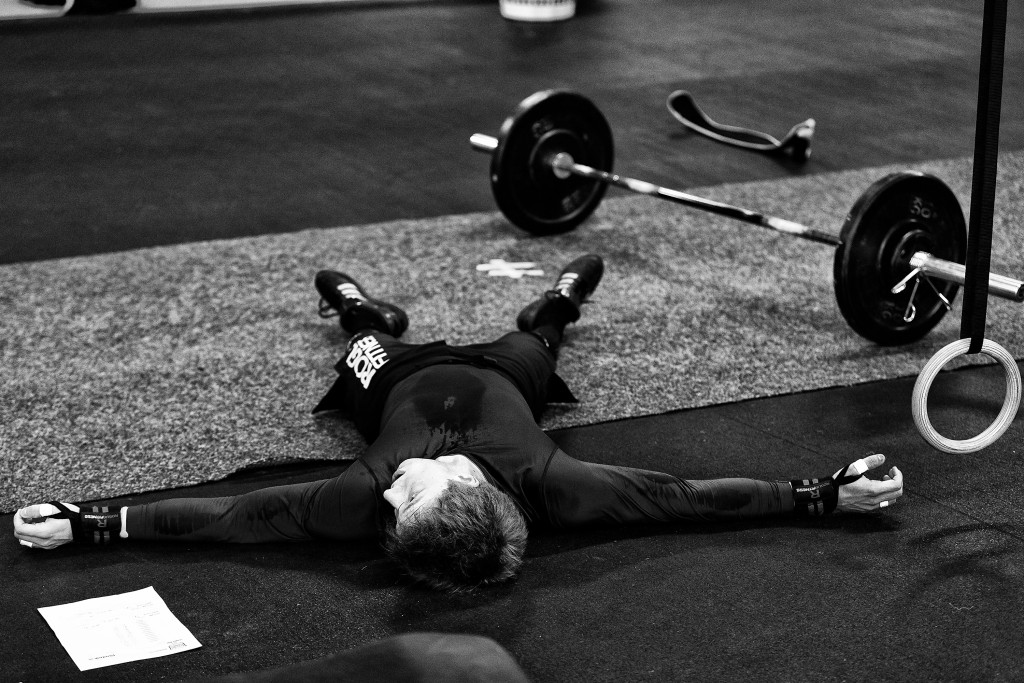
1. Chronic Fatigue and Low Energy
One of the first signs of overtraining is feeling constantly tired, even after a night of rest. Your body needs time to recover and repair the muscles you’ve worked out, but when you overtrain, you don’t allow it that opportunity. This can lead to chronic fatigue and low energy levels throughout the day, making you feel sluggish instead of refreshed after workouts.
2. Increased Risk of Injuries
The more you push your body without adequate recovery, the more vulnerable you become to injuries. Overworked muscles, tendons, and ligaments are more prone to strains, sprains, and even more severe injuries like stress fractures. When your body doesn’t get enough time to heal, small issues can compound into larger, long-term problems.
3. Weakened Immune System
Excessive training can suppress the immune system, making it harder for your body to fight off infections and illnesses. Overtraining can lead to an increase in cortisol levels, a stress hormone that, in high amounts, can weaken the immune response. As a result, you might find yourself catching colds or infections more often.
4. Sleep Disturbances
While exercise generally promotes better sleep, **overtraining can have the opposite effect**. Many people who overtrain report trouble falling asleep, waking up frequently during the night, or not feeling rested in the morning. This happens because your body’s nervous system can become overstimulated due to the excessive stress placed on it.
5. Mood Swings and Irritability
Excessive exercise doesn’t just affect the body—it also takes a toll on the mind. People who overtrain often experience mood swings, irritability, and even depression. When the body is fatigued and overworked, it can lead to emotional instability. The stress of pushing yourself too hard may also result in a lack of motivation and burnout, making it difficult to enjoy exercise or maintain a balanced mindset.
6. Decreased Performance
Overtraining doesn’t lead to more gains—in fact, it can have the opposite effect. Athletes and gym-goers who overtrain often find that their performance decline over time. Whether it’s lifting lighter weights, running slower times, or feeling less powerful during workouts, your body’s overworked state can limit your ability to reach new goals.
7. Hormonal Imbalances
Overtraining can disrupt the delicate balance of hormones in your body, leading to significant issues, especially for women. For instance, women may experience irregular menstrual cycles or a complete loss of their periods (amenorrhea) due to hormonal disruptions caused by excessive training. For both men and women, overtraining can also lead to lower testosterone levels, which plays a crucial role in muscle growth, energy levels, and mood regulation.
8. Loss of Appetite
Paradoxically, overtraining can lead to a loss of appetite despite the body’s increased need for nutrients. This is due to hormonal changes and the stress placed on the body. The lack of proper nutrition, combined with excessive physical activity, can exacerbate the negative effects of overtraining, leading to muscle loss instead of gains.
9. Mental Exhaustion
Your body isn’t the only thing that can get exhausted from overtraining—your mind can too. Pushing your body to its limits without adequate rest can lead to mental fatigue and burnout. You might feel overwhelmed, lose interest in activities you once enjoyed, or find it harder to concentrate. This mental exhaustion can also contribute to poor decision-making during workouts, increasing the risk of injury.
How to Prevent Overtraining
Preventing overtraining is crucial to maintaining a healthy and sustainable fitness routine. Here are a few ways to protect yourself:
- Listen to your body: Pay attention to signs of fatigue, soreness, or reduced performance. These are indicators that you need to rest.
- Incorporate rest days: Rest days are essential for recovery. Make sure to include at least 1-2 rest days in your weekly routine.
- Vary your workouts: Mix up your training with different forms of exercise, such as strength training, cardio, and flexibility work. This helps avoid overstressing the same muscles.
- Get enough sleep: Aim for 7-9 hours of quality sleep each night to support recovery.
- Eat a balanced diet: Ensure your body gets the nutrients it needs to repair and grow. Protein, healthy fats, and carbohydrates all play important roles in recovery.
Conclusion
Exercise is a fantastic tool for improving both physical and mental health, but overtraining can lead to more harm than good. Recognizing the signs and symptoms of overtraining is essential for anyone who’s serious about fitness. The key to long-term success is balance—rest and recovery are just as important as the effort you put in at the gym. Listen to your body, allow time to recover, and you’ll not only avoid the pitfalls of overtraining but also maximize your gains in the long run.


Comments
Post a Comment